





Tarangire National Park
Located in northern Tanzania, Tarangire National Park is one of the country’s most rewarding yet often underrated safari destinations. Known for its massive elephant herds, ancient baobab trees, and seasonal wildlife concentrations, the park offers an authentic and uncrowded African safari experience.
The park forms part of the northern safari circuit and lies within a larger ecosystem that supports seasonal wildlife movement, especially during the dry season.
Wildlife & Ecosystem
Tarangire National Park is defined by its varied ecosystem of open savannah, seasonal swamps, river valleys, and dense woodlands dominated by iconic baobab trees.
The Tarangire River is the park’s main water source and becomes a critical lifeline during the dry season, attracting thousands of animals from surrounding areas.
During dry months, wildlife density increases dramatically, making Tarangire one of the best places in Tanzania for concentrated game viewing. In the wet season, animals disperse across the wider ecosystem.
Animals Found in the Park
Tarangire supports a rich variety of wildlife, including both resident and migratory species.
Commonly found animals include:
- African elephant (one of the largest populations in Tanzania)
- Lion
- Leopard
- Cheetah
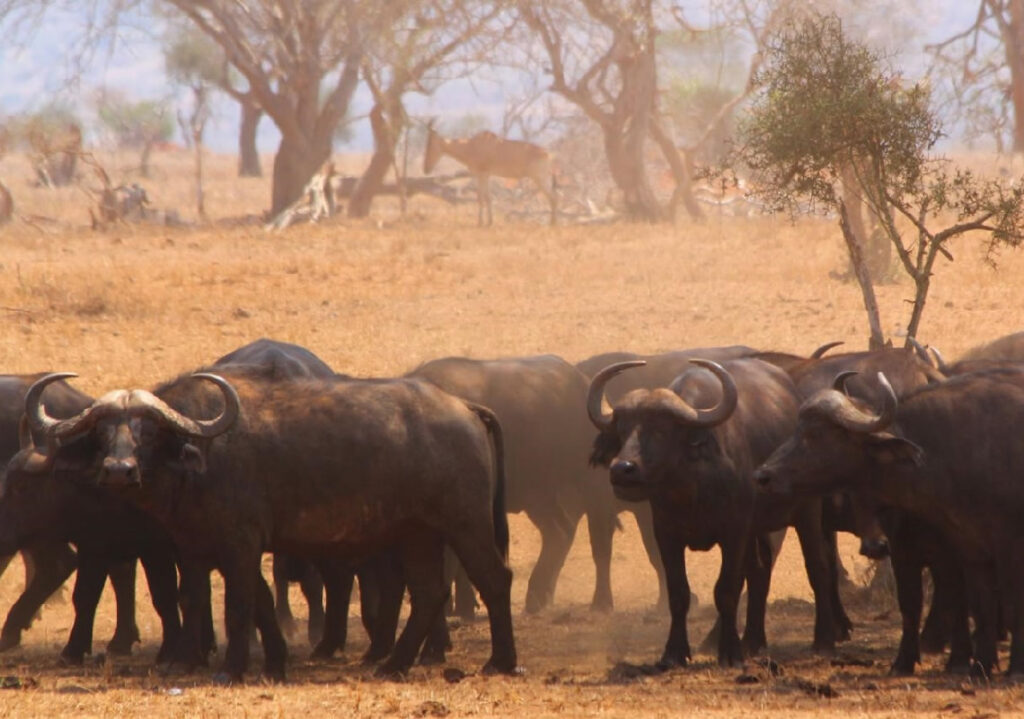
- Buffalo
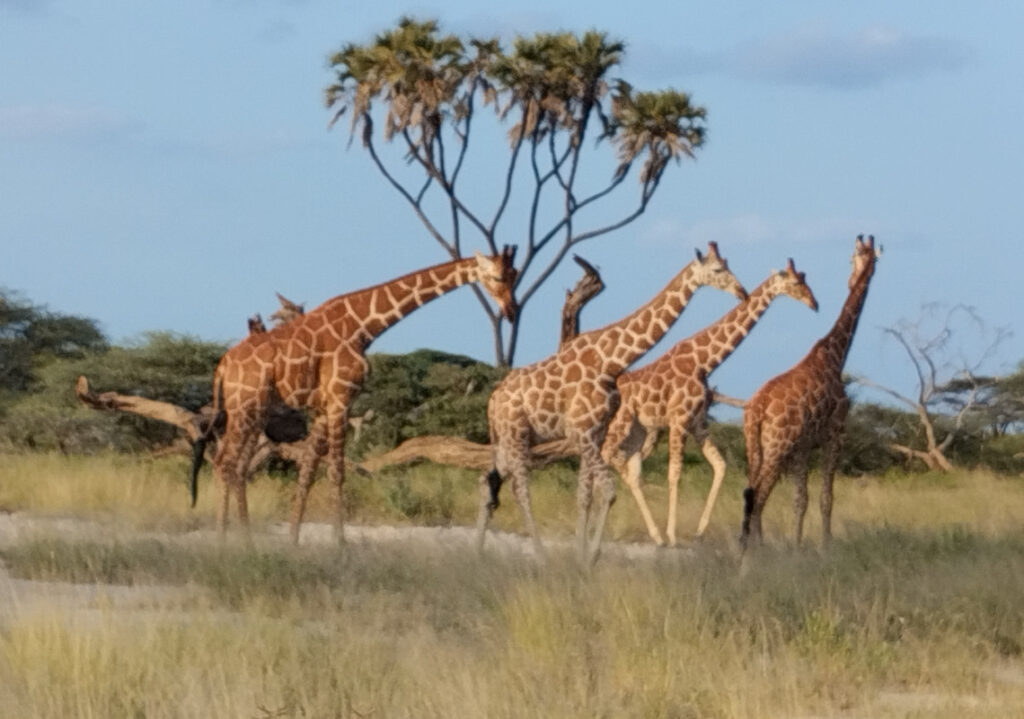
- Giraffe
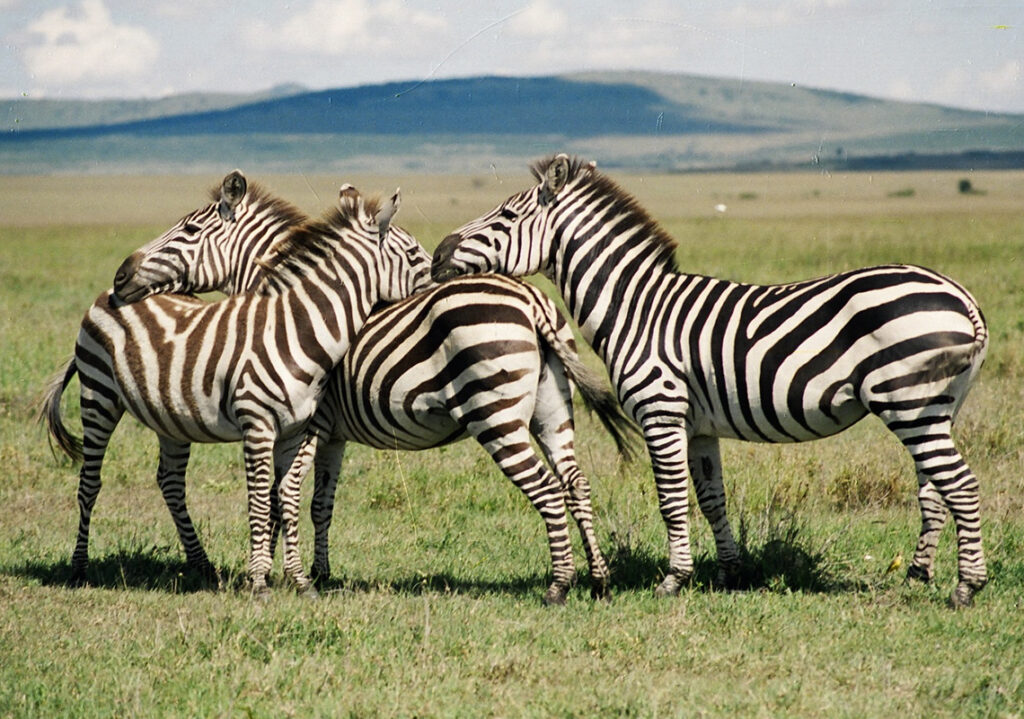
- Zebra
- Wildebeest
- Eland
- Impala
- Waterbuck
- Warthog
- Baboon
- Ostrich
Rare and notable species include:
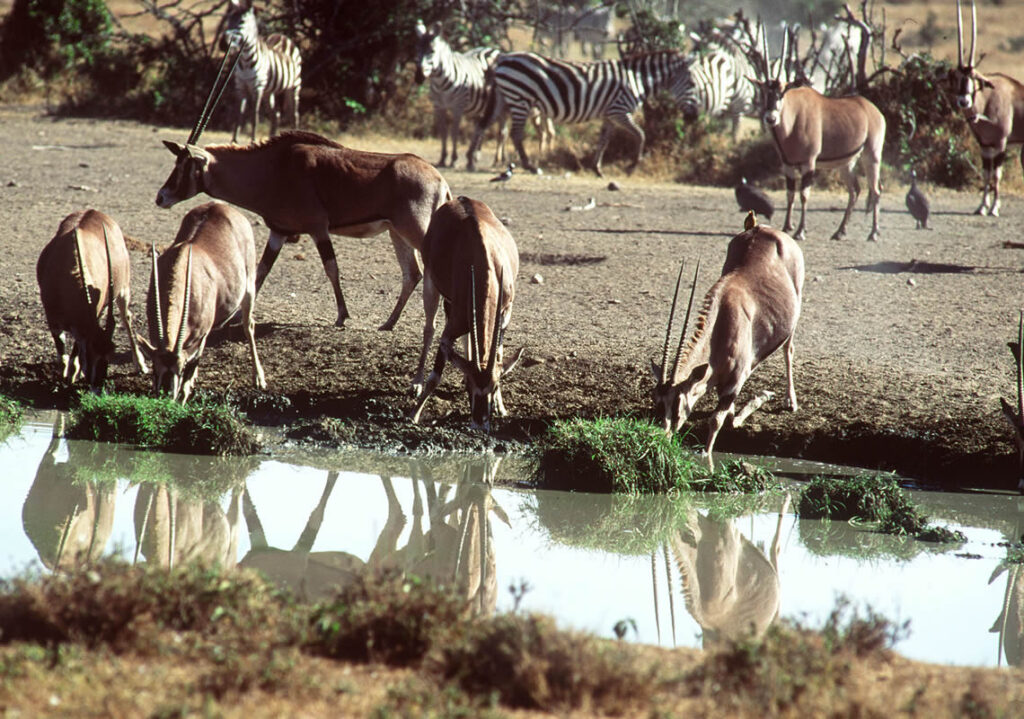
- Fringe-eared oryx (in surrounding ecosystems)
- Greater kudu (especially in woodlands)
Birdlife is exceptional, with over 500 recorded species, including:
- Yellow-collared lovebirds (endemic highlight)
- Hornbills
- Eagles and vultures
- Kingfishers
- Storks
- Herons
Unique Features
- Massive Elephant Herds
Tarangire is famous for large elephant populations, often seen interacting around the river and swamps.
- Iconic Baobab Trees
Ancient baobab trees dominate the landscape, creating one of Africa’s most distinctive safari backdrops.
- Seasonal Wildlife Migration
During the dry season, large numbers of animals migrate into the park in search of water.
- Tarangire River Lifeline
The river is the park’s central ecological feature, sustaining wildlife during dry months.
- Less Crowded Safari Experience
Compared to other northern Tanzania parks, Tarangire offers a quieter and more intimate safari.
- Rich Birdlife Diversity
The park is one of Tanzania’s top birding destinations.
Activities That Can Be Done in the Park
Game Drives
Explore varied landscapes while observing elephants, predators, and large herbivore herds.
Elephant Watching
Spend time observing elephant families in their natural environment.
Wildlife Photography
Capture dramatic baobab landscapes, large herds, and predator interactions.
Bird Watching
Ideal for both amateur and experienced birders.
Scenic Viewing
Enjoy panoramic views of baobab-dotted plains and seasonal wetlands.
Cultural Visits
Engage with local communities in surrounding areas for cultural experiences.
Nature Observation
Experience seasonal wildlife movements and predator-prey dynamics.
Sundowners & Bush Experiences
Relax while watching sunsets over Tarangire’s iconic landscapes.
Best for: elephant safaris, photography, bird watching, dry-season game viewing, and travelers seeking a less crowded but highly rewarding Tanzanian safari experience.