





Serengeti National Park
Located in northern Tanzania, Serengeti National Park is one of the world’s most iconic safari destinations and a UNESCO World Heritage Site. Renowned for its endless savannahs, exceptional wildlife density, and the annual Great Migration, the Serengeti represents one of the most intact and dynamic ecosystems on Earth.
The park forms part of the larger Serengeti ecosystem, which extends into Kenya’s Maasai Mara, creating a continuous wildlife corridor that supports millions of animals.
Wildlife & Ecosystem
The Serengeti ecosystem is defined by vast open grasslands, acacia woodlands, riverine forests, and scattered rocky outcrops known as kopjes. These varied habitats support a highly productive and balanced ecological system.
Rainfall patterns drive seasonal movement of wildlife, shaping one of the most dramatic natural cycles in the world: predator-prey interactions and large-scale migration.
The ecosystem is home to some of the highest concentrations of large mammals on the planet, with predators and herbivores coexisting in a finely balanced natural system.
Animals Found in the Park
Serengeti hosts an extraordinary diversity of wildlife, including the famous Big Five:
- Lion (one of the largest populations in Africa)
- Leopard
- African elephant
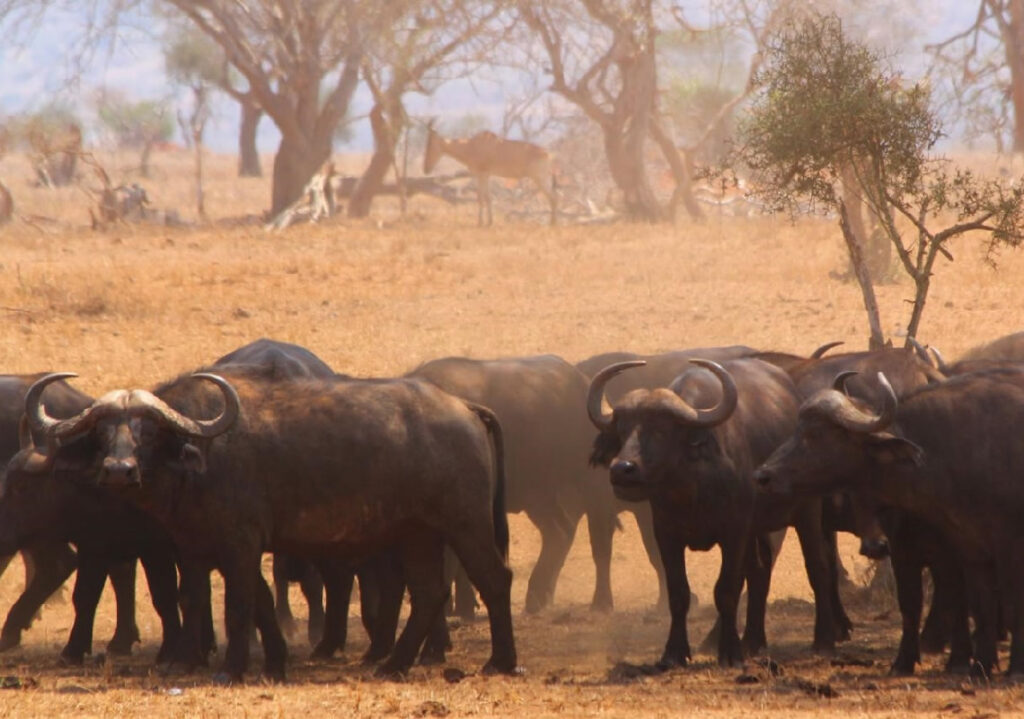
- Buffalo
- Black rhinoceros
Other major species include:
- Wildebeest (over a million during migration)
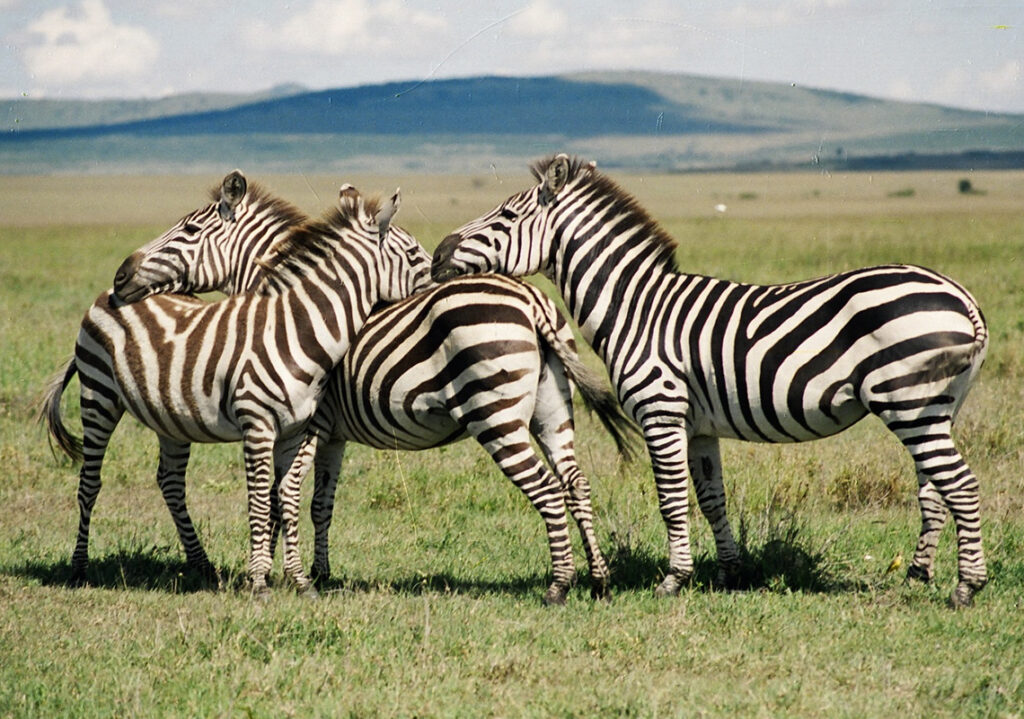
- Zebra
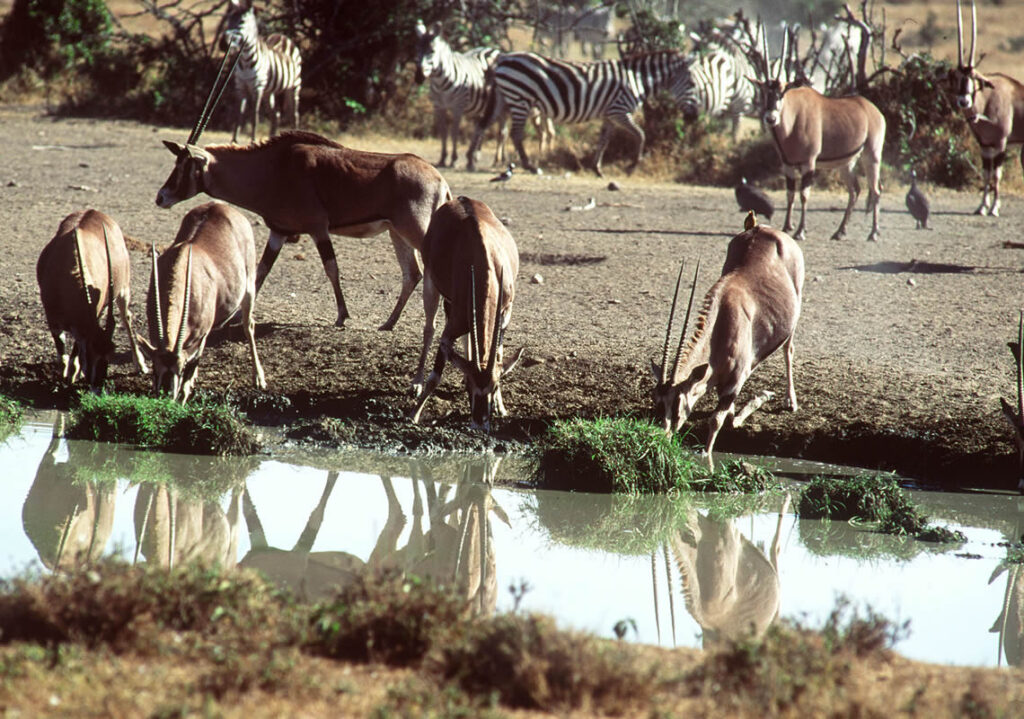
- Thomson’s and Grant’s gazelles
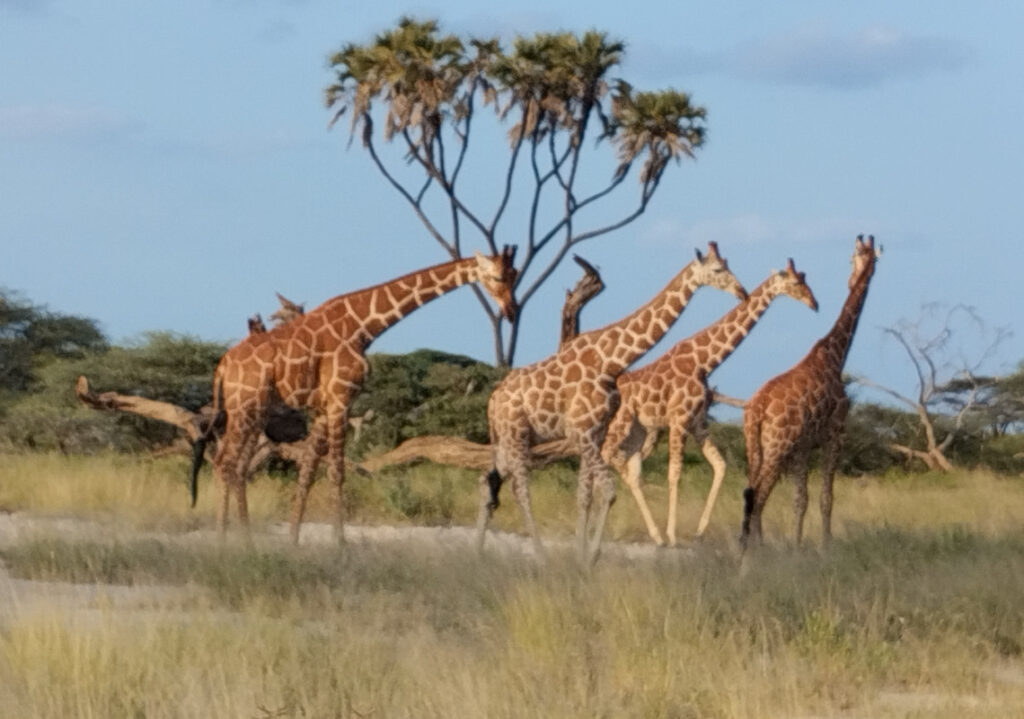
- Giraffe
- Cheetah
- Hyena
- Hippo
- Crocodile
- Impala
- Eland
- Jackal
Birdlife is equally rich, with over 500 species, including:
- Ostrich
- Secretary bird
- Eagles and vultures
- Lilac-breasted rollers
- Hornbills
- Storks and herons
Unique Features
- The Great Wildebeest Migration
The Serengeti is world-famous for the annual migration of millions of wildebeest, zebras, and gazelles moving in search of fresh grazing, often involving dramatic river crossings.
- Big Cat Territory
It is one of the best places in Africa to see lions, cheetahs, and leopards in natural hunting behavior.
- Endless Plains
The park’s vast, open landscapes create uninterrupted horizons and classic African safari scenery.
- Kopjes (Rock Outcrops)
Scattered granite formations provide shelter for lions, hyraxes, and leopards and serve as excellent lookout points for predators.
- UNESCO World Heritage Site
Recognized globally for its ecological importance and outstanding biodiversity.
- Seasonal Wildlife Cycles
Wildlife movement changes throughout the year, offering different safari experiences in every season.
Activities That Can Be Done in the Park
Game Drives
Explore different regions of the park to witness diverse wildlife behavior and landscapes.
Migration Viewing
Experience the Great Migration, including river crossings and predator interactions.
Wildlife Photography
Capture dramatic savannah scenes, big cats, and massive herds of wildebeest and zebra.
Hot Air Balloon Safaris
Enjoy sunrise aerial views over the plains, followed by a bush breakfast.
Bird Watching
Observe hundreds of resident and migratory bird species across varied habitats.
Nature Observation
Spend time watching predator-prey interactions in one of the world’s richest ecosystems.
Sundowners & Scenic Viewing
Enjoy sunset experiences across the endless plains.
Cultural Visits
Visit nearby communities such as the Maasai for cultural experiences and traditional insights.
Best for: Wildlife photography, Great Migration safaris, Big Five viewing, luxury safari experiences, adventure travel, and immersive nature exploration in Africa’s most famous wilderness.