





Ngorongoro Conservation Area
Located in northern Tanzania, the Ngorongoro Conservation Area is one of Africa’s most remarkable protected landscapes and a UNESCO World Heritage Site. Centered around the world-famous Ngorongoro Crater, the area combines spectacular geology, dense wildlife populations, and important Maasai cultural heritage.
It is part of the larger Serengeti ecosystem, forming a critical wildlife corridor that supports one of the richest concentrations of large mammals on Earth.
Wildlife & Ecosystem
The Ngorongoro Conservation Area features a unique blend of ecosystems, including highland forests, volcanic craters, open grasslands, savannah plains, wetlands, and alkaline lakes.
The highlight is the Ngorongoro Crater, a massive collapsed volcanic caldera that forms a natural enclosure for wildlife. This self-contained ecosystem supports year-round wildlife due to permanent water sources and fertile grazing land.
The combination of crater floor, surrounding highlands, and adjacent plains creates one of the most diverse ecological systems in Africa.
Animals Found in the Park
Ngorongoro is home to an extraordinary concentration of wildlife, including the Big Five:
- Lion
- Leopard
- African elephant (mainly bulls inside the crater)
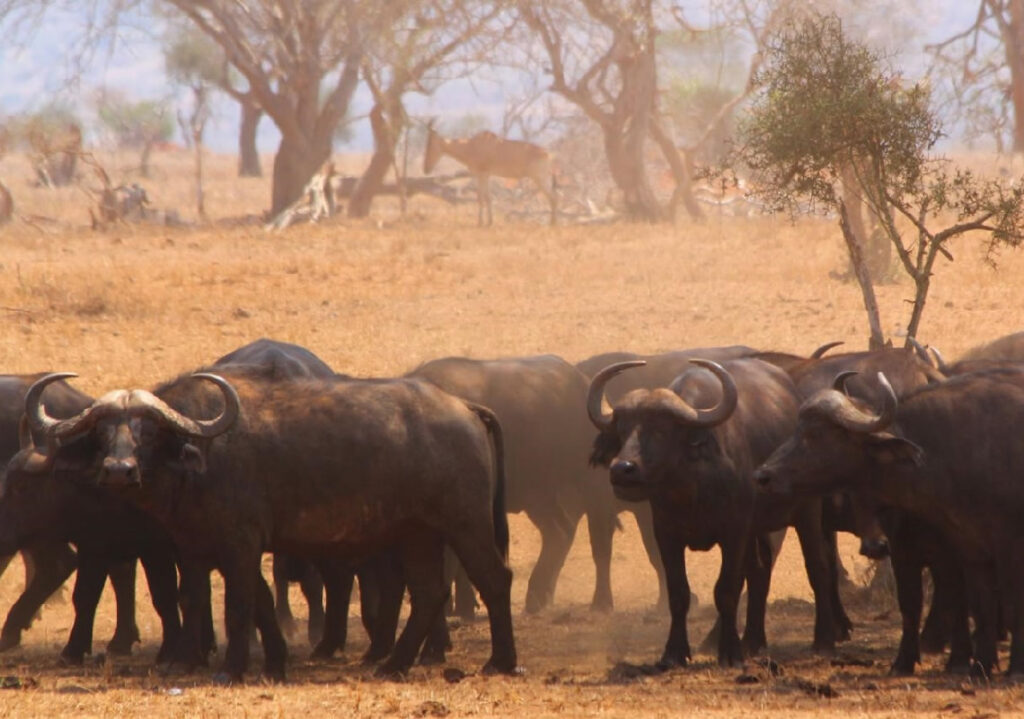
- Buffalo
- Black rhinoceros (rare and highly protected)
Other commonly found animals include:
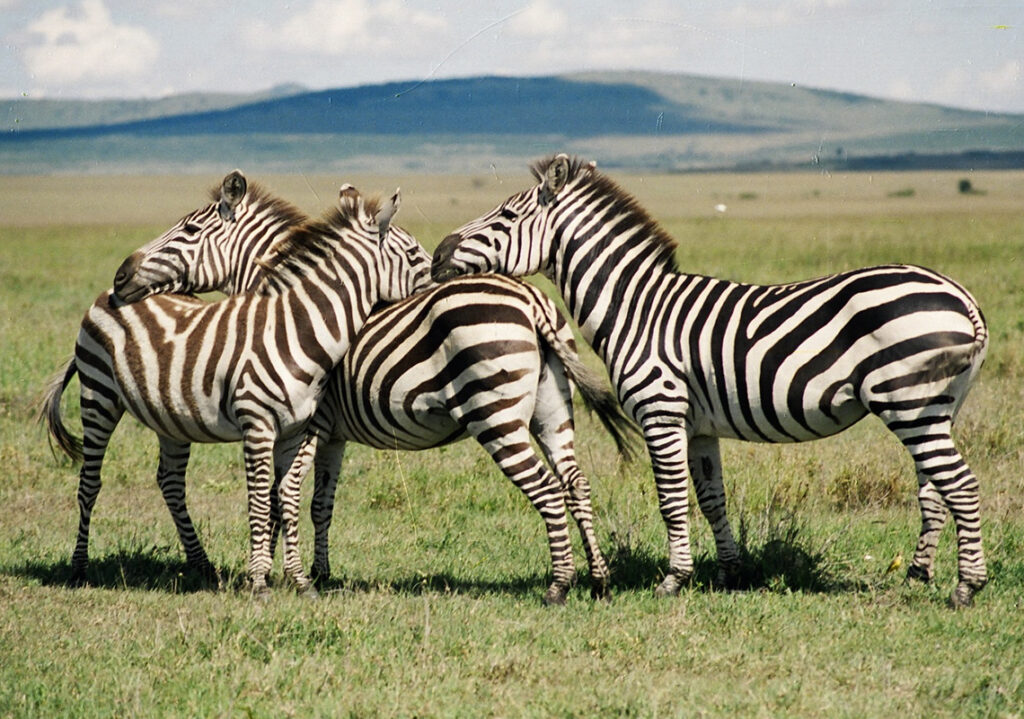
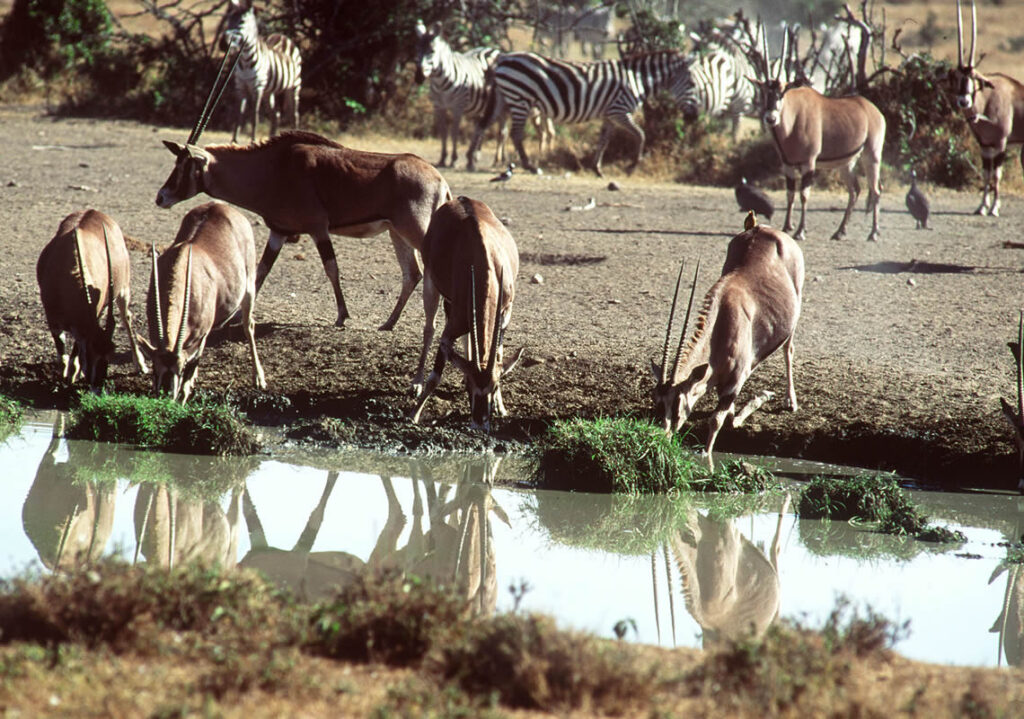
- Zebra
- Wildebeest
- Thomson’s and Grant’s gazelles
- Hippo
- Hyena
- Jackal
- Warthog
- Eland
- Baboon
Birdlife is also rich, especially around Lake Magadi and crater wetlands:
- Flamingos (seasonal)
- Ostriches
- Crowned cranes
- Eagles and vultures
- Storks and herons
- Secretary birds
Unique Features
- Ngorongoro Crater (World’s Largest Intact Caldera)
The crater is a natural wildlife enclosure and one of the most unique geological formations in the world.
- High Wildlife Density Year-Round
Unlike migratory parks, wildlife remains in the crater throughout the year due to permanent water and fertile grasslands.
- Big Five Viewing in One Location
It is one of the best places in Africa to see all members of the Big Five in a single day.
- Dramatic Landscapes
From crater rim viewpoints to expansive crater floors, the scenery is among the most spectacular in Africa.
- Maasai Cultural Heritage
The area is shared with the Maasai people, who continue traditional pastoral lifestyles alongside conservation efforts.
- UNESCO World Heritage Status
Recognized globally for its outstanding natural and cultural significance.
Activities That Can Be Done in the Park
Game Drives in the Crater
Descend into the crater floor for some of the best wildlife viewing in Africa.
Crater Rim Viewpoints
Enjoy panoramic views from the crater rim overlooking the vast caldera.
Wildlife Photography
Capture dense wildlife populations against dramatic volcanic scenery.
Bird Watching
Excellent opportunities around lakes, wetlands, and forest edges.
Cultural Visits
Visit Maasai communities to learn about traditional lifestyles and culture.
Nature Observation
Observe predator-prey interactions in a concentrated ecosystem.
Hiking & Guided Walks (highland areas)
Explore the surrounding highlands with trained guides.
Picnic Experiences
Enjoy scenic picnic spots within designated areas.
Best for: Big Five safaris, crater landscapes, photography, cultural experiences, luxury safari travel, and immersive wildlife viewing in one of Africa’s most iconic natural wonders.